

Choosing the Best Espresso Coffee Machines
There are a variety of espresso machines that are available. Some come with the milk steamer wand that can heat and froth milk to make cappuccinos and lattes. Others are designed to be used with ESE pods, which eliminate the need for grinding your own beans.
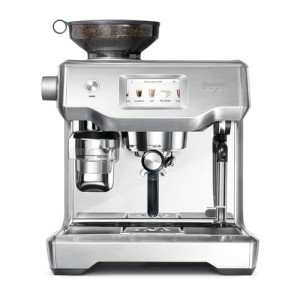
Sage's Flair espresso machine looks the part but it's not difficult to learn.
How to choose the right espresso machine?
When you are choosing an espresso maker be sure to consider factors such as temperature control as well as convenience, ease of use, and maintenance. You will also want to select a model that is compatible with your budget and lifestyle. There are many options available including professional models that are high-end to basic home espresso machines. The best machine will make a delicious cup of coffee each time.
Before purchasing an espresso machine, you need to decide how much you're willing to pay. Look for discounts and sales to find an espresso machine that is within your budget. Also, you should consider the size of your kitchen and the amount of space you have for the machine. The size of the espresso machine will affect the speed at which it prepares drinks as well as how big or small your drinks will be.
There are three types of espresso machines: semi-automatic, manual and fully-automatic. Each one has its own method of brewing, which influences the flavor, strength and aroma of your coffee. coffee for espresso machine between each are subtle, but significant.
A manual espresso machine makes use of human power to create pressure for extraction and is a great option for those who wish to improve their skills at brewing. However, the absence an accurate gauge of pressure can result in inconsistent results.
Semi-automatic machines are an excellent alternative for home baristas as they offer the perfect balance between automation and manual control. These machines control the flow of water however, they still allow users to adjust grind and tamp to get the perfect shot. They are also easy to use and require only minimal maintenance.
Fully-automatic espresso machines have advanced features, including PID (proportional-integral-derivative) temperature control and a heated steam wand for simultaneous brewing and steaming. These machines tend to be larger and cost more, but they provide greater durability, versatility, and consistency.
The best espresso machines are made of high-quality materials, and they undergo rigorous testing in order to meet quality standards. They will also be backed by a warranty and support network. They should also be simple to maintain and clean. It is important to regularly clean and descal the portafilter, as well as other parts of your machine, like the group head and milk foaming component.
Espresso machines of various types
There are many kinds of espresso machines available on the market however, all have the same aim - to produce a delicious cup of espresso. These machines be manual or super-automatic, and range from low-cost to high-end. The grinder is the most important factor for the quality of espresso. There are many other elements that affect the quality of your espresso, such as temperature stability, pressure and even the amount of water used.
Manual Espresso Machines
These are the traditional espresso machines that are found in cafes and have been in use for many years. They're usually very elegant, but they are also extremely pricey. They're perfect for serious coffee lovers who don't mind putting in some effort for the perfect cup of espresso. The main advantages of these machines are they can provide authentic espresso, excellent milk texture and control over the temperature and texturing of your coffee.
They are also very reliable. However they can be erratic and difficult to use if not used to them. They have very few settings and are easy to use, however they require some expertise.
Semi-Automatic Espresso Machines
The most commonly used type of espresso machine is a semi-automatic. This type of machine looks like a drip coffeemaker, however, it has a pump for brewing espresso. These machines are more reliable and have a higher capacity than automated espresso machines. They are also cheaper than fully automated machines.
The majority of semi-automatic espresso machines utilize a portafilter to hold the ground coffee. The machine then uses water and pressure to extract a shot from the grounds of coffee. Some semi-automatic machines come with a steam wand to texturize the milk. The major drawback of this kind of espresso machine is that it takes more time to make an espresso, and you need to be cautious not to over-steep your coffee.
Semi-automatic espresso machines are popular for home baristas. They can be used to create various drinks including double and single cappuccino, espresso macchiato, latte, and cortado (piccolo). Some models even come with a frother that allows you to make espresso-based drinks with milk.
Benefits of an Espresso Machine
An espresso machine is a great method to enjoy a tasty cup of coffee. It can also assist you in making rich cappuccinos and lattes for your customers. You must also remember that an espresso maker is not a toy, and it must be maintained carefully. When selecting a model, you must consider the installation location and the available space. You should also search for a model that has steam wands to texturize milk, and can make two shots of espresso in just a few minutes.
One of the main benefits of an espresso machine is that it will save businesses money over the long term. If you provide your employees with an espresso machine, you can cut down on the need to purchase expensive drinks from outside. This could cut costs by 90% by saving each employee up to PS1500 per year.
In addition to reducing expenses, an espresso machine can increase productivity. It can accelerate the serving of drinks, which allows your staff to serve more customers. It could even eliminate the need for a waiter or barista which could reduce the overall operating expenses.
Modern espresso machines are designed to be efficient. Some espresso machines have automatic dosing system that reduces the risk of overdosing and underdosing coffee grounds. This feature allows baristas to concentrate on customer service, as well as other aspects of the making process. It also helps lower energy and water consumption.
A high-quality espresso machine will ensure you get the same coffee every time. It is essential to choose the grinder that grinds your coffee beans correctly. This will improve the aroma and flavor of your coffee. This will also prevent bitterness from arising due to over- or under-grinding.
Another benefit of an espresso machine is that it can assist you in achieving the perfect pour. It can also be used to make cappuccinos and latte art. Moreover, it is easy to clean and maintain. It is also affordable to use and offers a good return on your investment.
Coffee shop owners should think about buying a commercial espresso machine to improve their business and increase profits. This kind of machine works well for small businesses, like car dealerships and mechanics. It's also great for doctor's salons, offices, and even doctors. They can make use of semi-automatic or fully automated espresso machine to draw new customers and to promote their brand.
Cost of an espresso machine
A good espresso machine is expensive, depending on the model you choose. If you want a super-automatic model that has programmable settings and top-of-the-line technology, expect to spend more than PS500 for the most efficient model on the market. If you are looking for a basic machine with a basic style, you can purchase one for less than PS250.
The most common type of espresso machine is semi-automatic. It is simple to operate and gives the barista control over some aspects of the brewing procedure, such as the grind size and the force used to tamp it. Semi-automatic machines allow users to control the temperature, which is a crucial aspect of espresso making.
Manual lever machines are a different popular kind of espresso machine. These machines require the barista to manually put pressure on a lever to generate the pressure required for coffee extraction. They typically sport an industrial look and are a beautiful addition to any kitchen, but they can be a challenge to master and are often more expensive than other types of espresso machines.
There are also automated espresso machines, which take care of all the grinding and brewing for you. These machines are the most efficient and can produce a variety of different drinks. They are ideal for those who don't have time or want to learn how to use a traditional espresso maker.
The dimensions and portability of the espresso machine are also crucial aspects to take into consideration. Some models are designed to fit on the kitchen counter while others require more space. The size of the espresso machine will determine how many drinks can be prepared per hour. For example the machine that has a 10-cup capacity will not be suitable for busy cafés.